Are you struggling with inefficiencies in your industrial operations? Small errors and delays can accumulate, leading to costly setbacks and operational bottlenecks. For manufacturing and engineering professionals, the need for precision motion control has never been more urgent.
Precision motion control systems provide the accuracy and reliability that can drastically improve production rates and product quality. With the right systems in place, you can eliminate costly errors, optimize processes, and ensure smooth operations.
This blog gives you the advantages, applications, and best practices of implementing precision motion control in your facility, helping you make informed decisions for 2026 and beyond.
Quick look
Precision motion control improves accuracy, efficiency, and product quality in industrial operations.
Key applications include CNC machining, robotics, semiconductor manufacturing, and medical device production.
Benefits include reduced errors, faster production, and long-term cost savings.
Challenges include high initial investment, integration with legacy systems, and the need for skilled personnel.
Best practices for implementation include choosing reliable vendors, ensuring compatibility, and providing staff training.
What is Precision Motion Control?
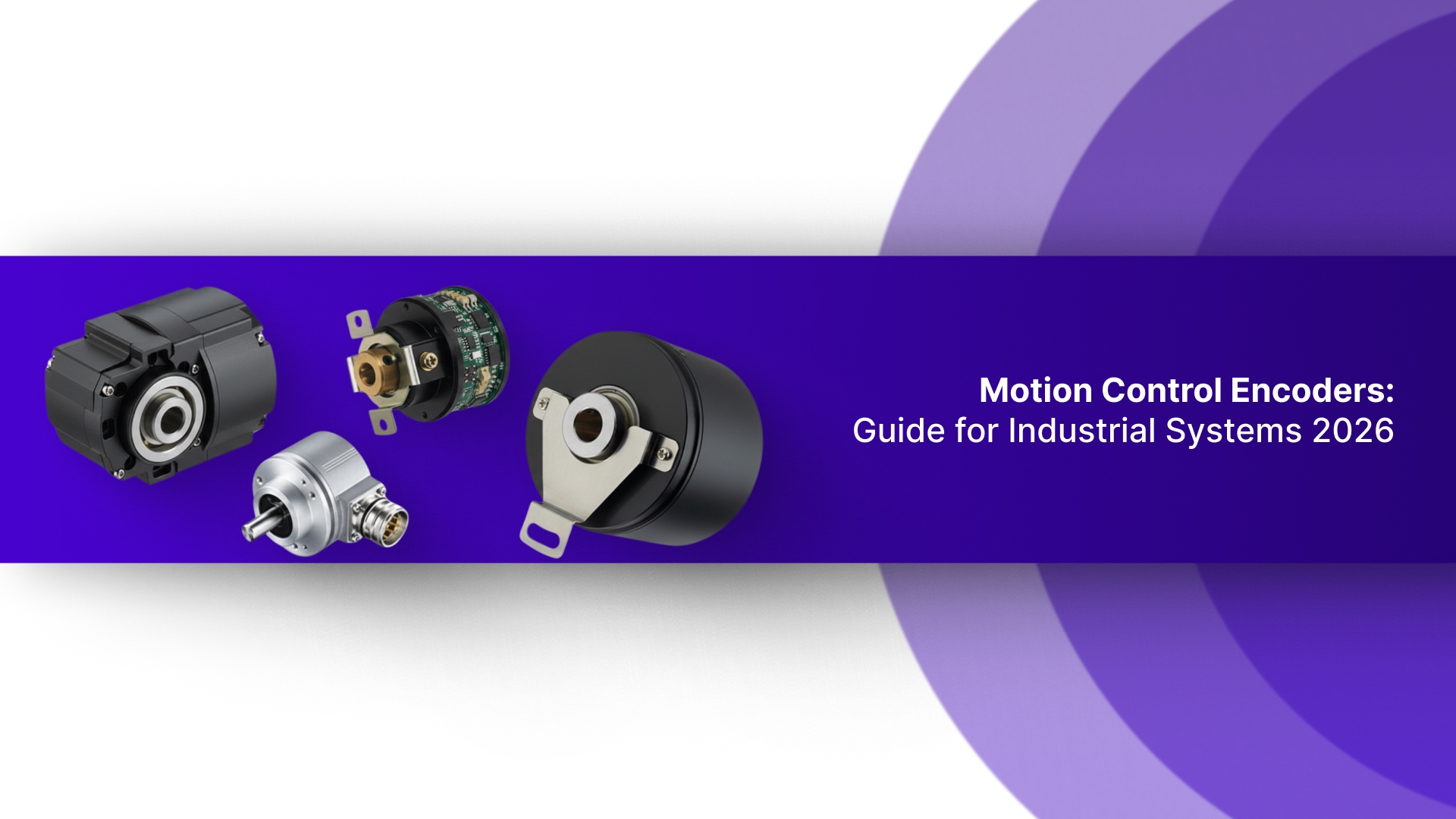
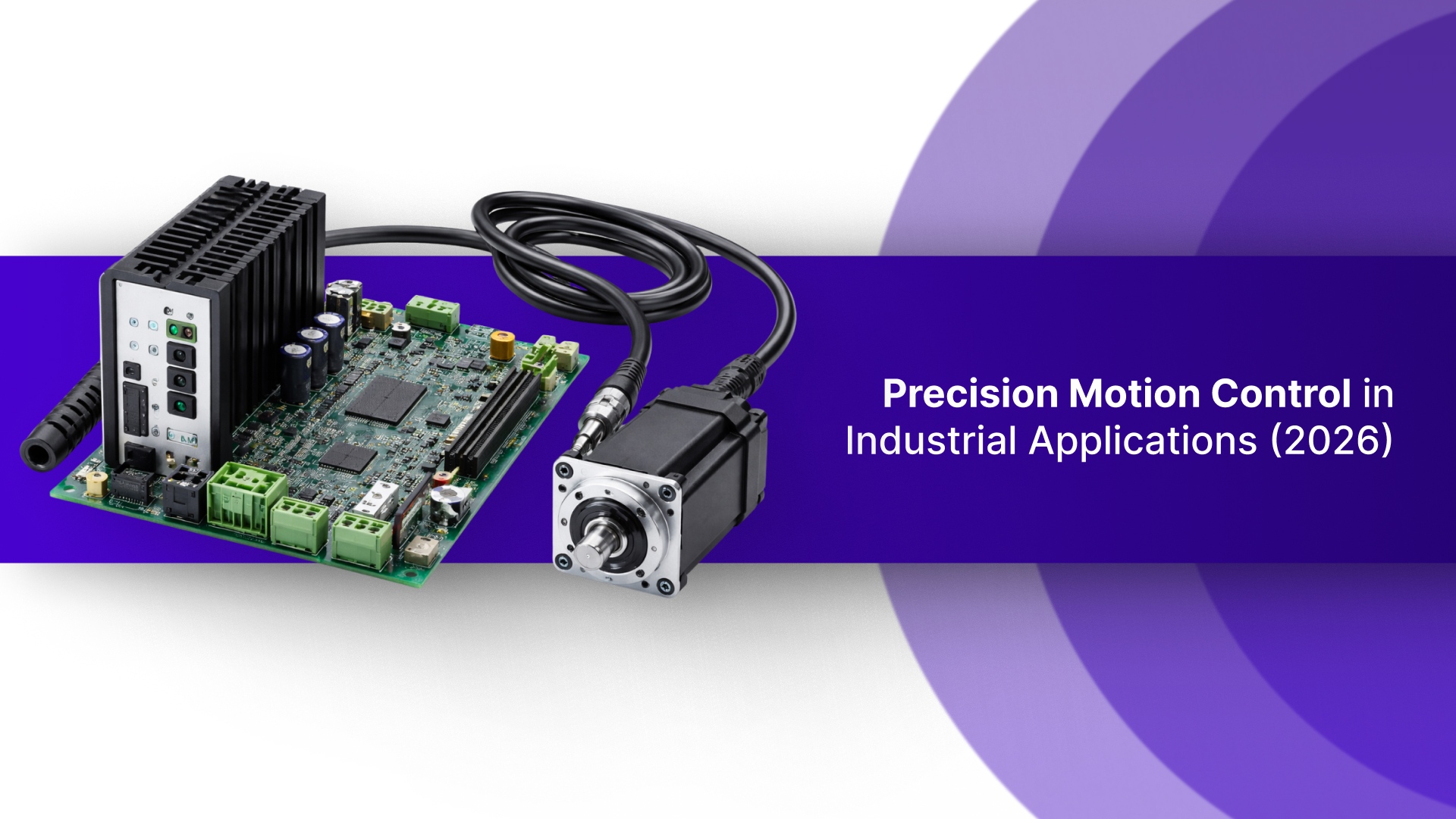
Precision motion control refers to the technology used to precisely control the movement of machinery and mechanical systems. It involves components like servo motors, drives, and encoders to regulate speed, position, and torque with high accuracy.
This technology ensures that industrial machines perform tasks consistently and with minimal error, which is crucial for industries where even the smallest variation can lead to defects or inefficiencies.
With a clear understanding of what precision motion control is, let's explore the key benefits it offers for industrial applications.
Key Benefits of Precision Motion Control in Industrial Applications
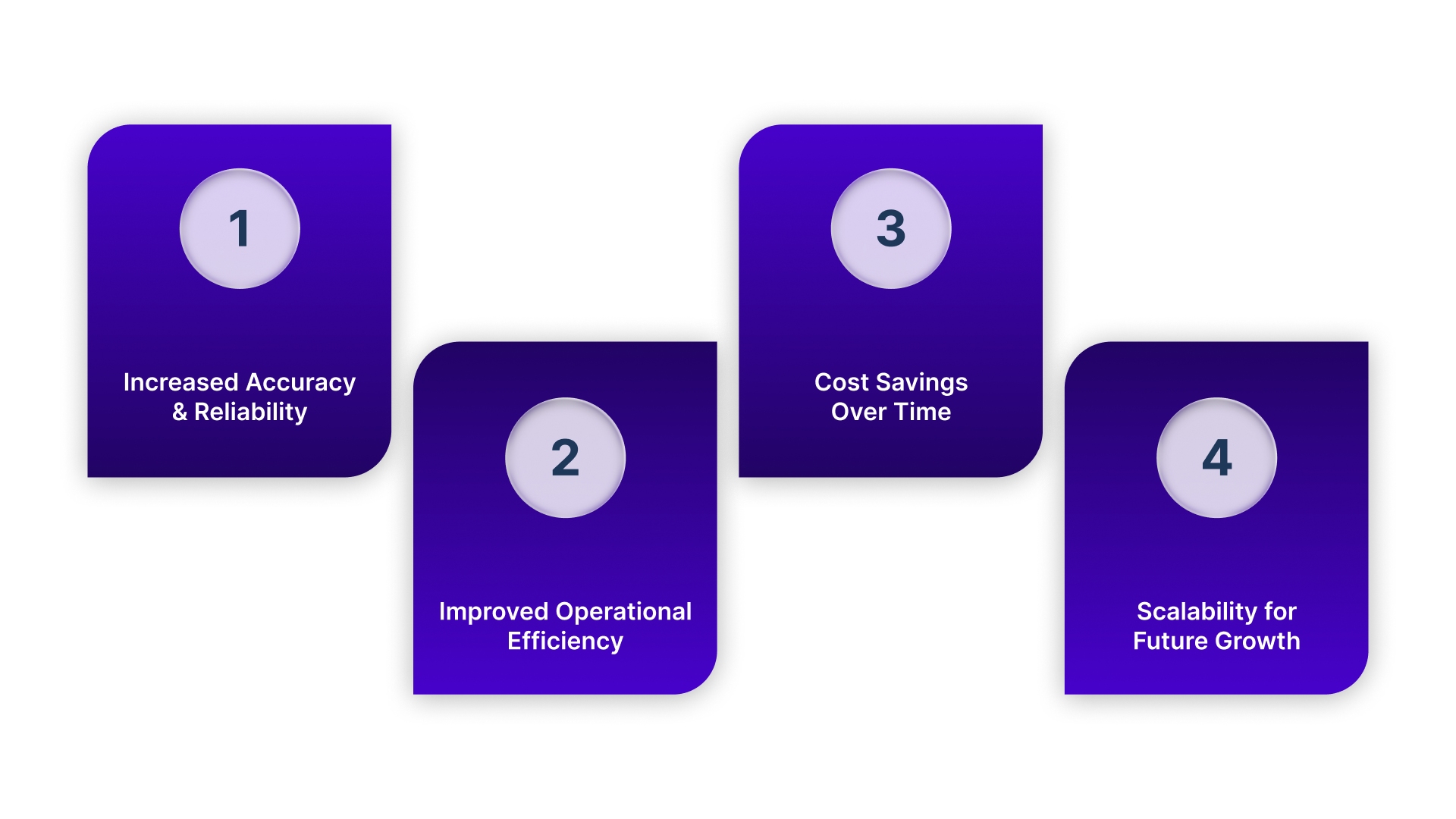
Precision motion control brings significant advantages that help optimize industrial operations. These benefits lead to improved productivity, better quality control, and cost savings.
Here are the key benefits of precision motion control:
Increased Accuracy and Reliability
With precision motion control, machines operate with minimal deviation, ensuring consistent results.
How it helps: This eliminates costly errors and ensures that every product meets quality standards.
Improved Operational Efficiency
Precision systems are designed to operate at peak performance, reducing cycle times and improving throughput.
How it helps: Faster production processes lead to higher output with fewer resources.
Cost Savings Over Time
Though initial investment may be high, precision motion control systems reduce maintenance costs and extend equipment life.
How it helps: Lower operational costs and reduced downtime contribute to long-term savings.
Scalability for Future Growth
As manufacturing needs expand, precision systems allow for seamless upgrades to handle higher volumes.
How it helps: This flexibility supports growth without compromising system performance or accuracy.
Now that we've covered the benefits, let's look at where precision motion control systems are applied across industries to maximize these advantages.
Where Precision Motion Control is Used in Industrial Applications
Precision motion control is crucial across various industrial sectors where high accuracy and efficiency are non-negotiable. Its applications range from automated manufacturing to advanced robotics and beyond, playing a key role in ensuring quality, reliability, and productivity.
Here's how it’s transforming key industries.
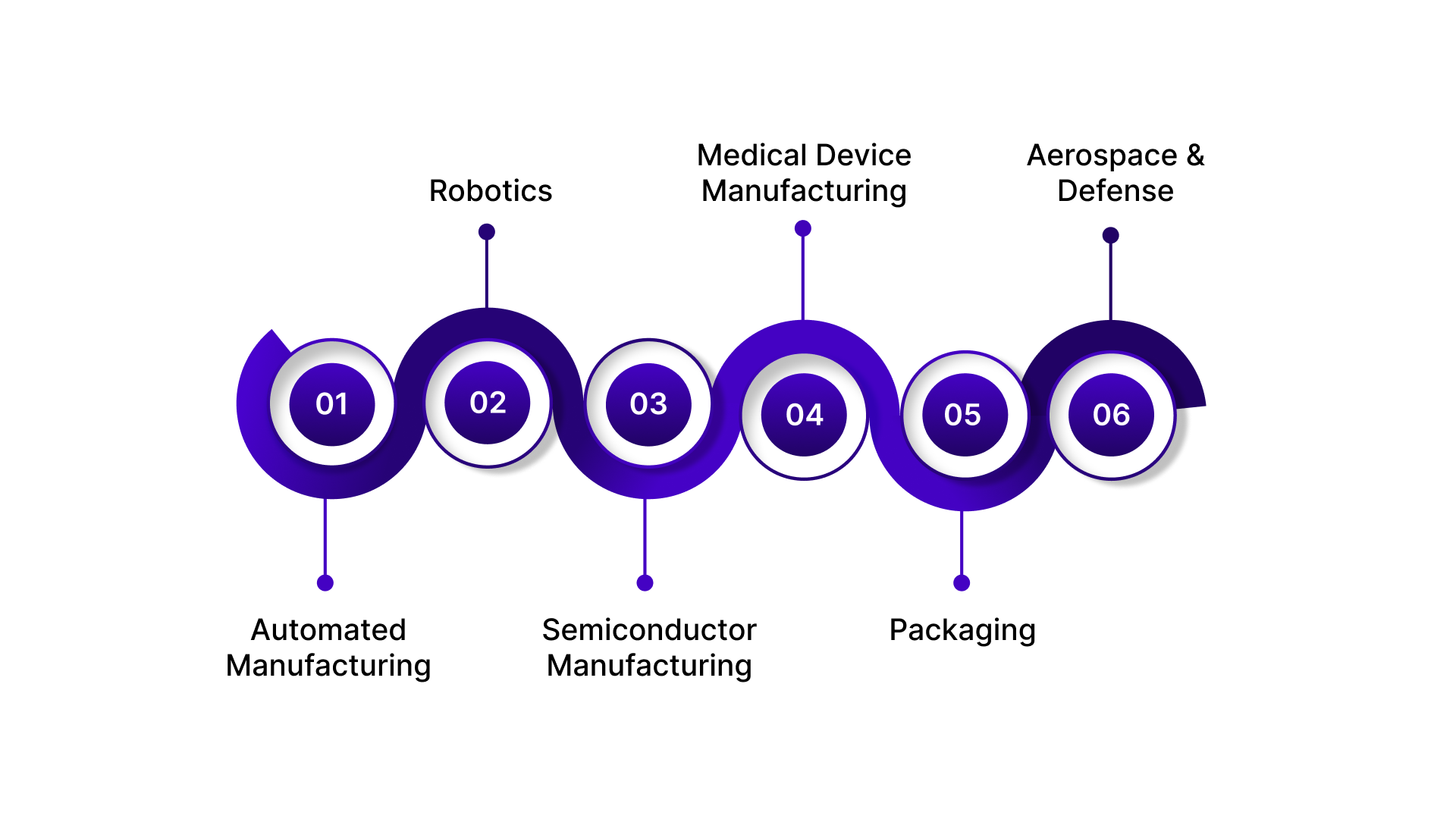
Automated Manufacturing
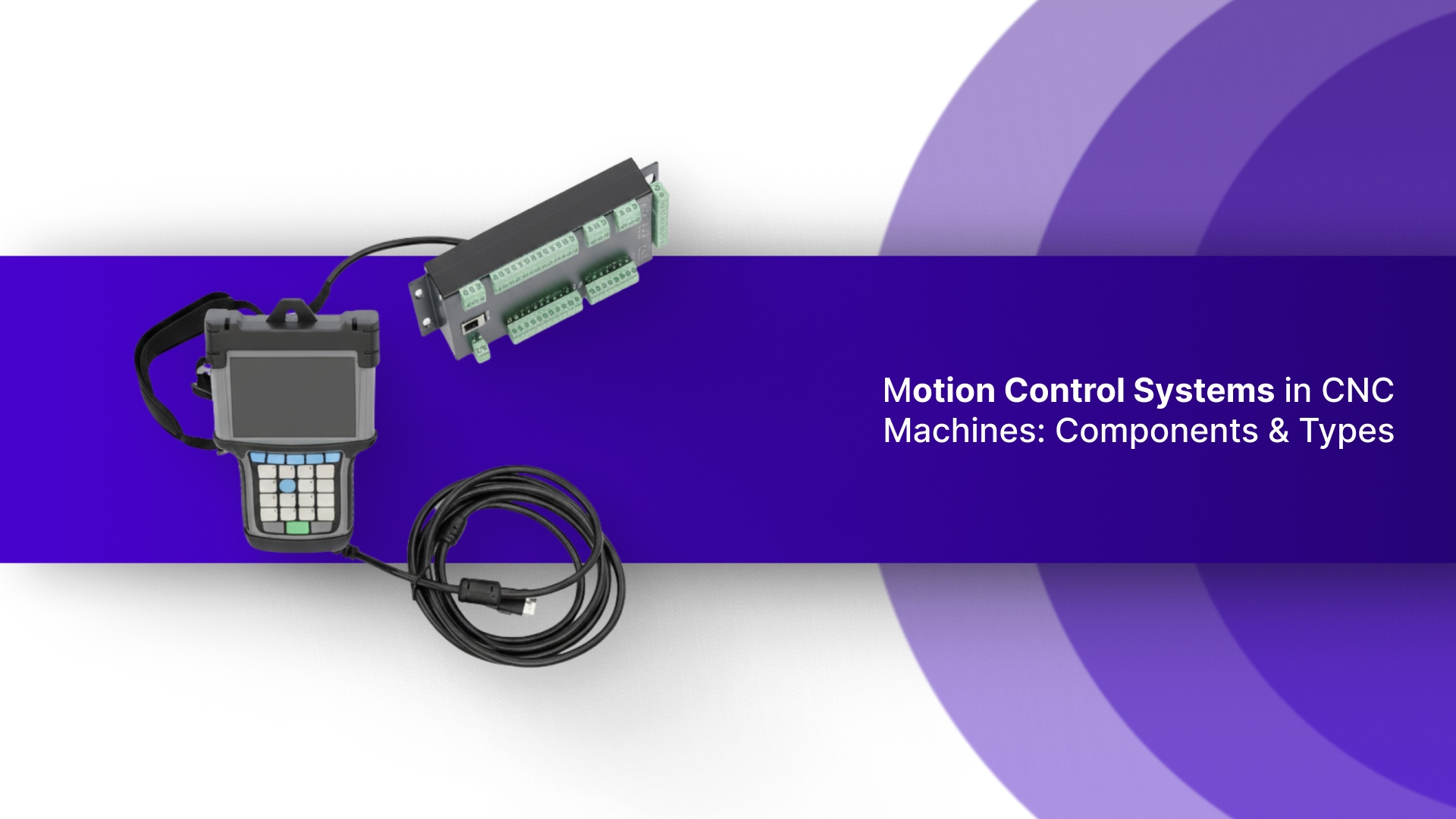
Used in CNC machines, automated lathes, milling machines, and assembly lines, precision motion control ensures that parts are produced to exact specifications.
Why it matters: It reduces manual errors, increases production speed, and ensures consistency in product quality, all while minimizing waste.
Robotics
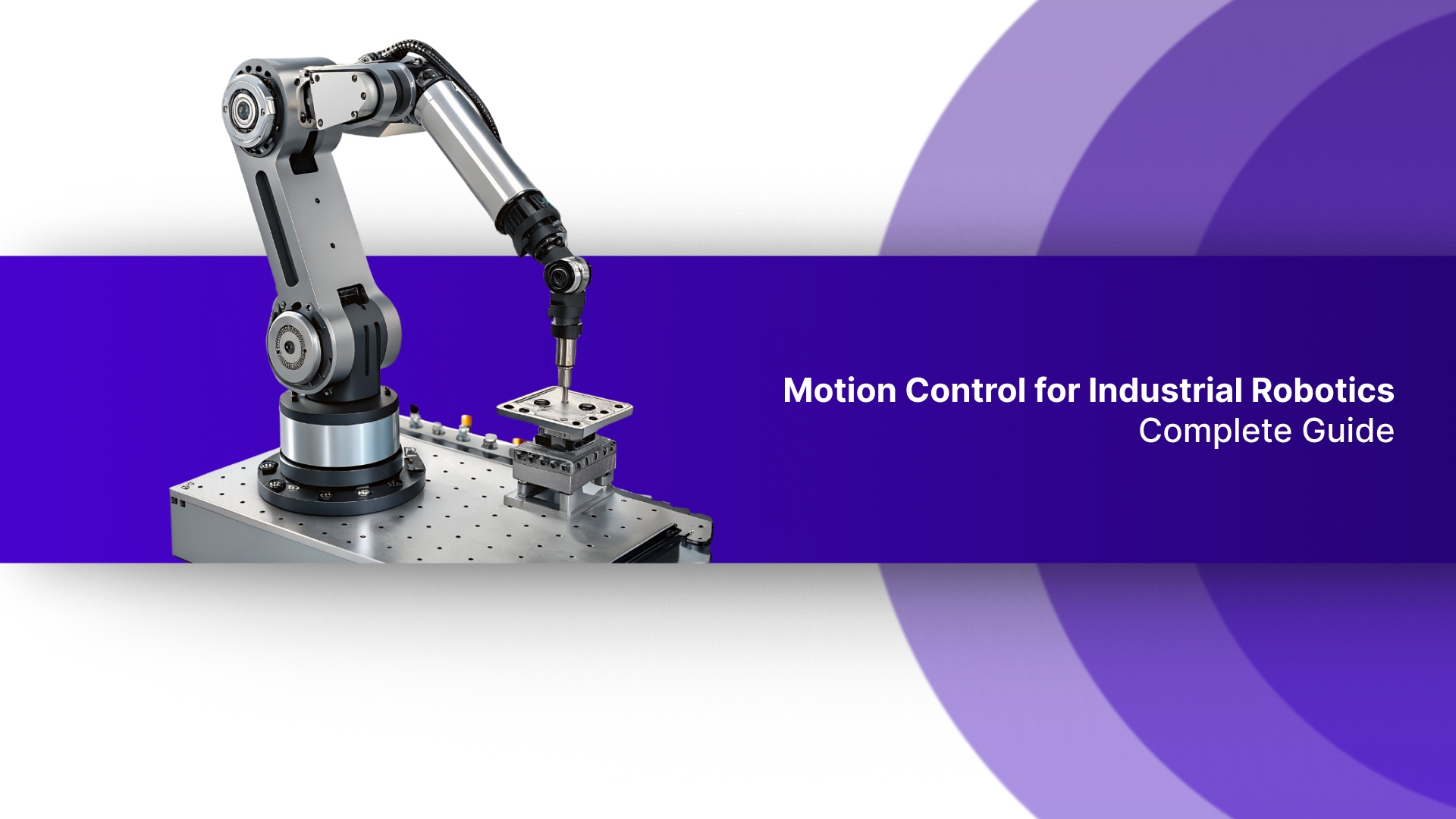
In robotics, precision motion control manages the movement of automated guided vehicles (AGVs), pick-and-place systems, and robotic manipulators for tasks like assembly, packaging, and material handling.
Why it matters: It enables robots to perform delicate tasks with high precision, improving operational efficiency and reducing the need for human intervention.
Semiconductor Manufacturing
Precision is essential in wafer handling machines, photolithography equipment, and automated inspection systems used in semiconductor fabrication.
Why it matters: Even minor errors in these machines can result in costly defects, making precision motion control systems vital for maintaining product quality and minimizing production costs.
Medical Device Manufacturing
Used in machines such as laser cutting systems, automated assembly lines, and precision 3D printers for creating complex medical devices, precision motion control ensures high-quality, reliable products.
Why it matters: The medical industry demands the highest precision to ensure safety and compliance with strict regulatory standards.
Packaging
Precision motion control is employed in filling machines, capping systems, and labeling machines to manage the packaging process with speed and accuracy.
Why it matters: It ensures product integrity by preventing overfilling or mislabeling, reduces material waste, and improves packaging speed.
Aerospace and Defense
Used in aerospace for control systems in navigation instruments, and in defense for calibration equipment, missile systems, and radar antennas.
Why it matters: Precision motion control ensures the reliability of critical systems where failure could have catastrophic consequences, particularly in high-stakes environments like aerospace and defense.
Understanding where and how precision motion control is used is critical for making the right decisions for your operations. Let's now look at when it's the right choice for your manufacturing processes.
When to Use Precision Motion Control in Manufacturing
Precision motion control is essential in manufacturing processes that require high accuracy and repeatability. It's particularly useful in tasks that involve intricate parts, high-speed automation, or delicate handling.
Understanding when to invest in these systems can significantly impact production efficiency and product quality.
When Handling Complex Processes
For tasks like precision assembly or component placement in electronics or medical devices, precision motion control ensures that each part is placed correctly without deviation.
When Upgrading Legacy Systems
As technology advances, older systems may lack the precision required for modern applications. Upgrading to precision motion control can improve overall system performance.
When Scaling Production
As production volume increases, maintaining quality becomes more challenging. Precision motion control systems ensure that product quality remains consistent, even with higher output.
When Reducing Waste and Errors
In industries like packaging, food processing, or pharmaceuticals, precision motion control reduces material waste and ensures the accuracy of each step in the production process.
When Dealing with Delicate Materials
For applications involving fragile or high-value materials, such as semiconductor wafers or medical device components, precision motion control ensures that handling is gentle yet accurate.
With a clear understanding of when to use precision motion control, let's explore the challenges and considerations associated with implementing these systems in manufacturing environments.
Challenges and Considerations for Implementing Precision Motion Control
Implementing precision motion control in manufacturing systems presents several challenges that must be addressed for successful integration. These systems often require significant investment and careful planning to ensure compatibility with existing infrastructure.
Here are the key challenges and considerations to keep in mind when adopting precision motion control:
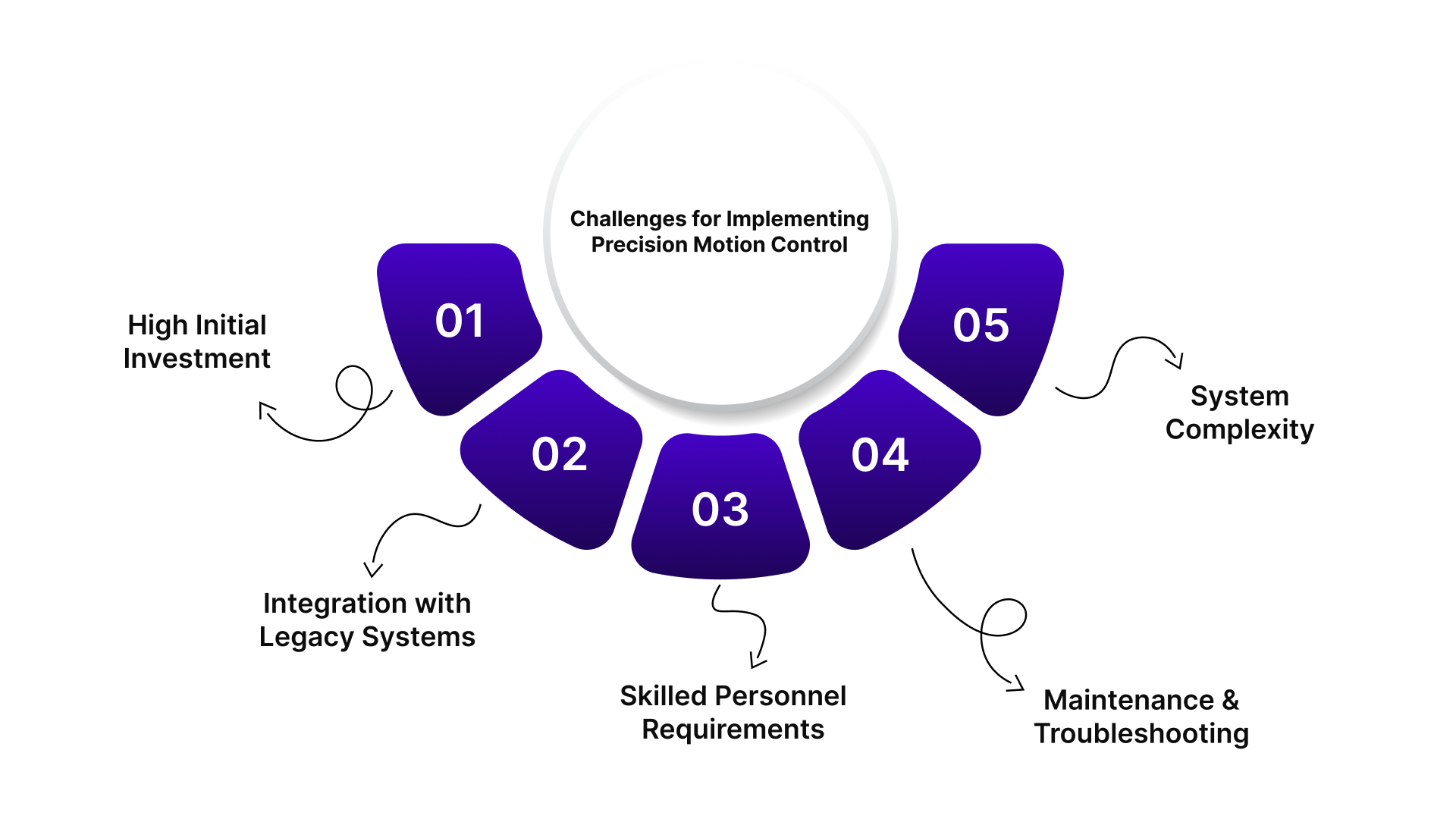
High Initial Investment
Precision motion control systems often come with high upfront costs, including the price of components, installation, and system integration.
What to consider: Weigh the long-term savings from reduced errors and improved efficiency against the initial costs.
Integration with Legacy Systems
Older systems may not be compatible with modern precision motion control technology, requiring costly upgrades or complete overhauls.
What to consider: Assess the cost and time required to upgrade or replace existing equipment for seamless integration.
Skilled Personnel Requirements
Precision motion control systems require skilled operators and technicians for setup, calibration, and maintenance.
What to consider: Ensure proper training for staff and consider the need for specialized expertise in handling and maintaining the new systems.
Maintenance and Troubleshooting
These systems are highly specialized and require regular maintenance to perform at peak efficiency.
What to consider: Set up ongoing maintenance schedules and have a troubleshooting plan in place to minimize downtime.
System Complexity
The complexity of modern precision motion control systems can make them difficult to implement without specialized knowledge.
What to consider: Partner with experienced vendors who can provide customization and technical support throughout the implementation process.
With these challenges in mind, let's explore the best practices for ensuring a successful implementation of precision motion control systems in your operations.
Best Practices for Successful Implementation
Successfully implementing precision motion control systems requires a well-planned approach to ensure maximum efficiency and return on investment.
Here’s a checklist of best practices for a smooth and effective implementation:
Partner with Experienced Vendors: Choose a vendor who offers both high-quality products and technical support throughout the integration process.
Conduct Thorough System Assessments: Ensure the new system is compatible with your existing equipment and infrastructure before making any purchases.
Train Your Team: Provide comprehensive training for operators and technicians to ensure proper handling, maintenance, and troubleshooting.
Plan for Ongoing Maintenance: Establish a regular maintenance schedule to keep systems running efficiently and avoid unexpected downtimes.
Monitor and Optimize Performance: Continuously assess system performance and make adjustments to optimize efficiency and productivity.
Are you looking for a reliable partner to help implement precision motion control seamlessly? Pico Systems offers expert solutions and support to ensure a smooth transition and long-term success with your motion control systems.
Let's now look at how Pico Systems can improve your operations with their precision motion control solutions.
Why Choose Pico Systems for Precision Motion Control Solutions?
Pico Systems is a trusted provider of precision motion control solutions, offering high-performance products designed to meet the needs of industries requiring accurate, reliable, and efficient control systems.
With a focus on technical expertise and customer satisfaction, Pico Systems ensures seamless integration and long-term support for its clients.
Why Choose Pico Systems:
Diverse Product Range: Includes PWM Servo Systems, Stepper Controllers, and Analog Servo Interface (PPMC).
Customizable Solutions: Designed to fit specific needs, with options like Beagle Bone and Copley Interface.
Reliable Support: Offers expert assistance and seamless integration with products like Resolver Converters and more.
With Pico Systems, you can achieve precision and efficiency in your operations, backed by expert support every step of the way.
Wrapping Up
Precision motion control enhances accuracy, efficiency, and cost savings across industries, driving operational success.
Pico Systems offers customizable, high-performance solutions to optimize your systems and ensure long-term reliability.
Ready to improve your industrial processes with precision motion control? Contact us today to discover how Pico Systems can help you achieve seamless integration and greater efficiency.
FAQs
What industries benefit most from precision motion control?
Precision motion control is essential in industries like semiconductor manufacturing, medical device production, robotics, and automated manufacturing, where accuracy and consistency are critical for success.
Can precision motion control be integrated with existing systems?
Yes, precision motion control systems can often be integrated with legacy systems, but it may require certain upgrades or customization to ensure seamless operation and compatibility.
How does precision motion control improve product quality?
By reducing errors and ensuring highly accurate movements, precision motion control improves the consistency of product manufacturing, leading to higher-quality outputs with minimal defects.
Is precision motion control cost-effective for small manufacturers?
Yes, while the initial investment may be higher, the long-term savings from reduced waste, fewer errors, and improved operational efficiency make precision motion control cost-effective for small manufacturers.
How often should precision motion control systems be maintained?
Precision motion control systems should be regularly maintained to ensure optimal performance. This typically includes periodic checks, recalibrations, and software updates to prevent downtime and maintain efficiency.