Are your CNC machines struggling with spindle performance? Problems such as unusual noise, overheating, inconsistent speed, or unexpected shutdowns often indicate spindle motor issues. Since the spindle motor drives precision and efficiency, even minor faults can disrupt production and affect machining quality.
For engineers and technicians, knowing how to diagnose and repair spindle motors can save time, prevent further damage, and keep machines operating at their best. Proper spindle motor repair ensures smooth operation, reduces downtime, and protects the longevity of your equipment.
This guide covers everything you need to know about CNC spindle motor repair, including common symptoms, quick fixes, preventive maintenance, and professional repair solutions. It will help you maintain reliable, high-performing CNC machines.
Key Takeaways
CNC spindle motors are critical for precision, speed, and reliable machining performance.
Early detection of vibration, noise, overheating, or speed issues prevents major failures.
Proper repair includes mechanical inspection, electrical diagnostics, cooling checks, and alignment.
Regular maintenance, such as cleaning, lubrication, and calibration, extends the lifespan of motors.
Professional repair services and high-quality components ensure efficiency, accuracy, and minimal downtime.
What Is a CNC Spindle Motor?
A CNC spindle motor is a specialized motor that drives the spindle of a CNC machine with precision, speed, and consistent torque. It converts electrical energy into rotational motion, enabling the machine to perform milling, cutting, drilling, or grinding operations accurately.
These motors are designed for high speeds, heavy loads, and continuous operation. Precision bearings, quality rotors and stators, and air or water-cooling systems maintain stability, prevent overheating, and reduce vibration.
Many spindle motors also use variable-frequency drives (VFDs) to efficiently regulate speed and torque.
These features make CNC spindle motors essential for smooth operation and high-quality machining results under demanding conditions.
How CNC Spindle Motors Drive Precision and Efficiency in Machining?
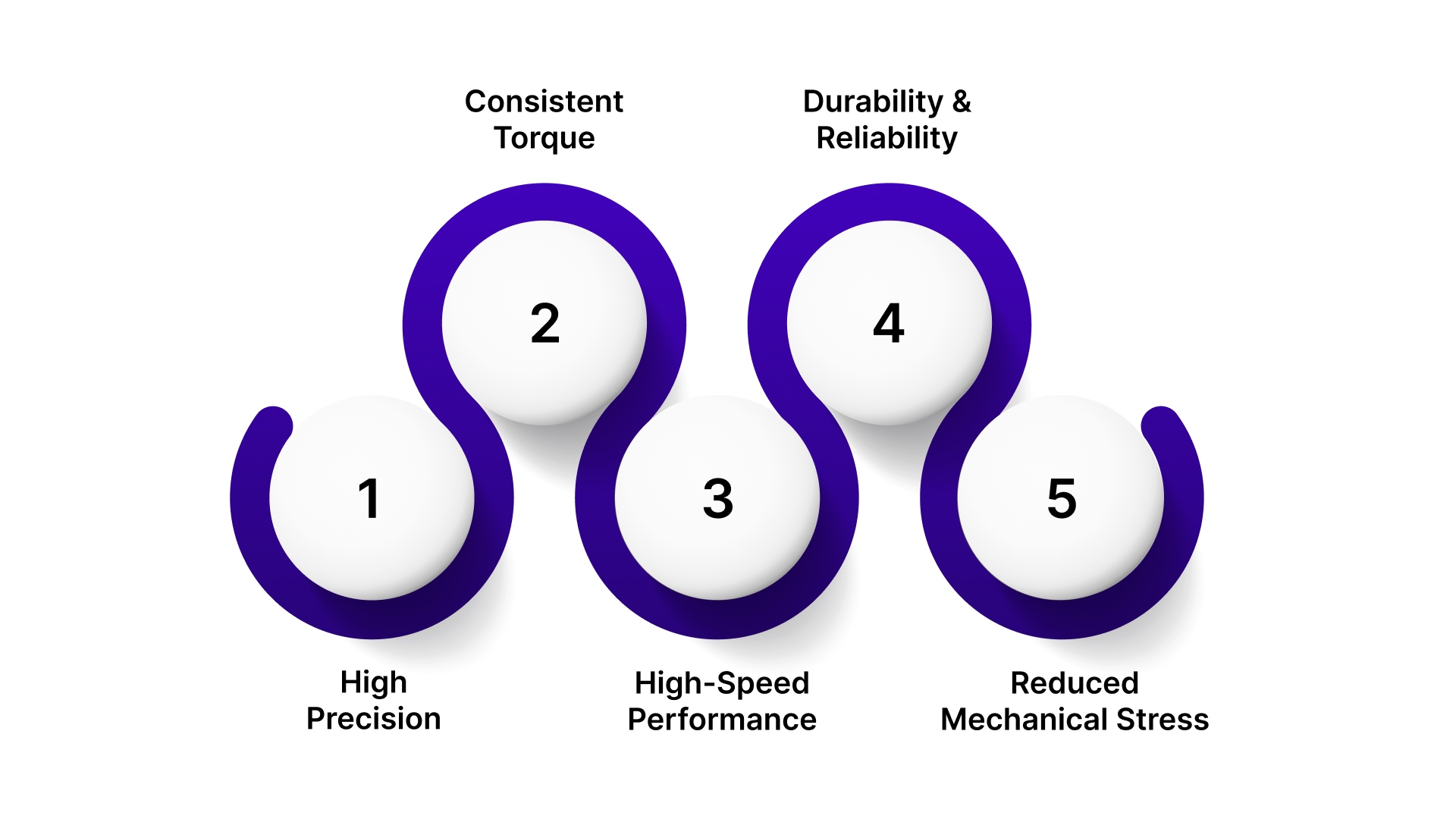
CNC spindle motors ensure precision, reliability, and speed, which are vital for efficient machining.
High Precision: Spindle motors maintain accurate RPM and rotational stability, enabling precise cuts and complex designs.
Consistent Torque: Motors deliver steady torque across varying loads, especially when paired with VFDs or servo systems, ensuring smooth operation.
High-Speed Performance: Spindle motors can operate between 10,000 and 60,000 RPM, depending on type and application, allowing high-speed machining without sacrificing accuracy.
Durability and Reliability: Precision components, proper lubrication, and cooling systems reduce wear and prevent motor failure.
Reduced Mechanical Stress: Smooth operation minimizes strain on couplings and housings, extending the lifespan of both the spindle and the CNC machine.
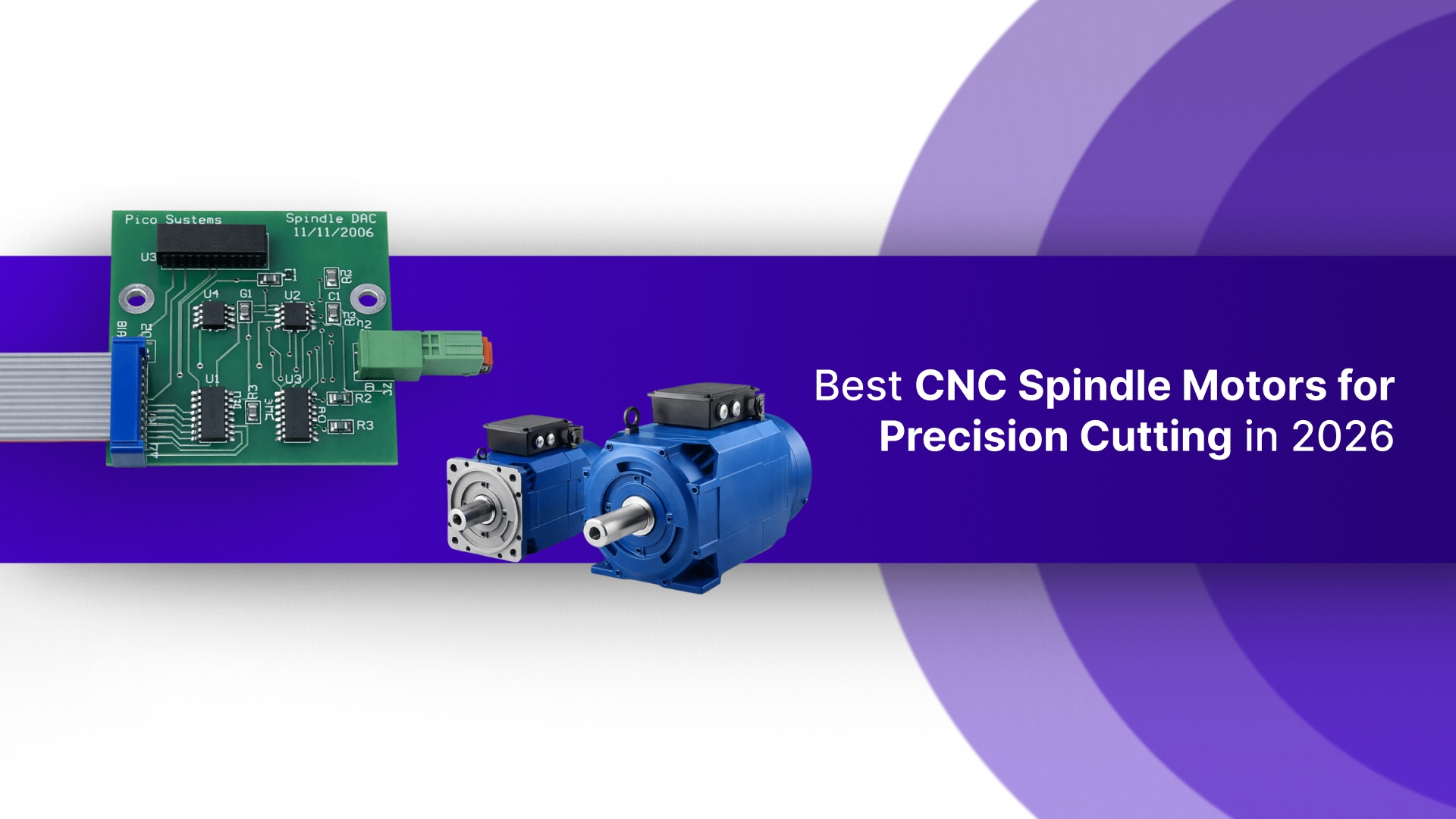
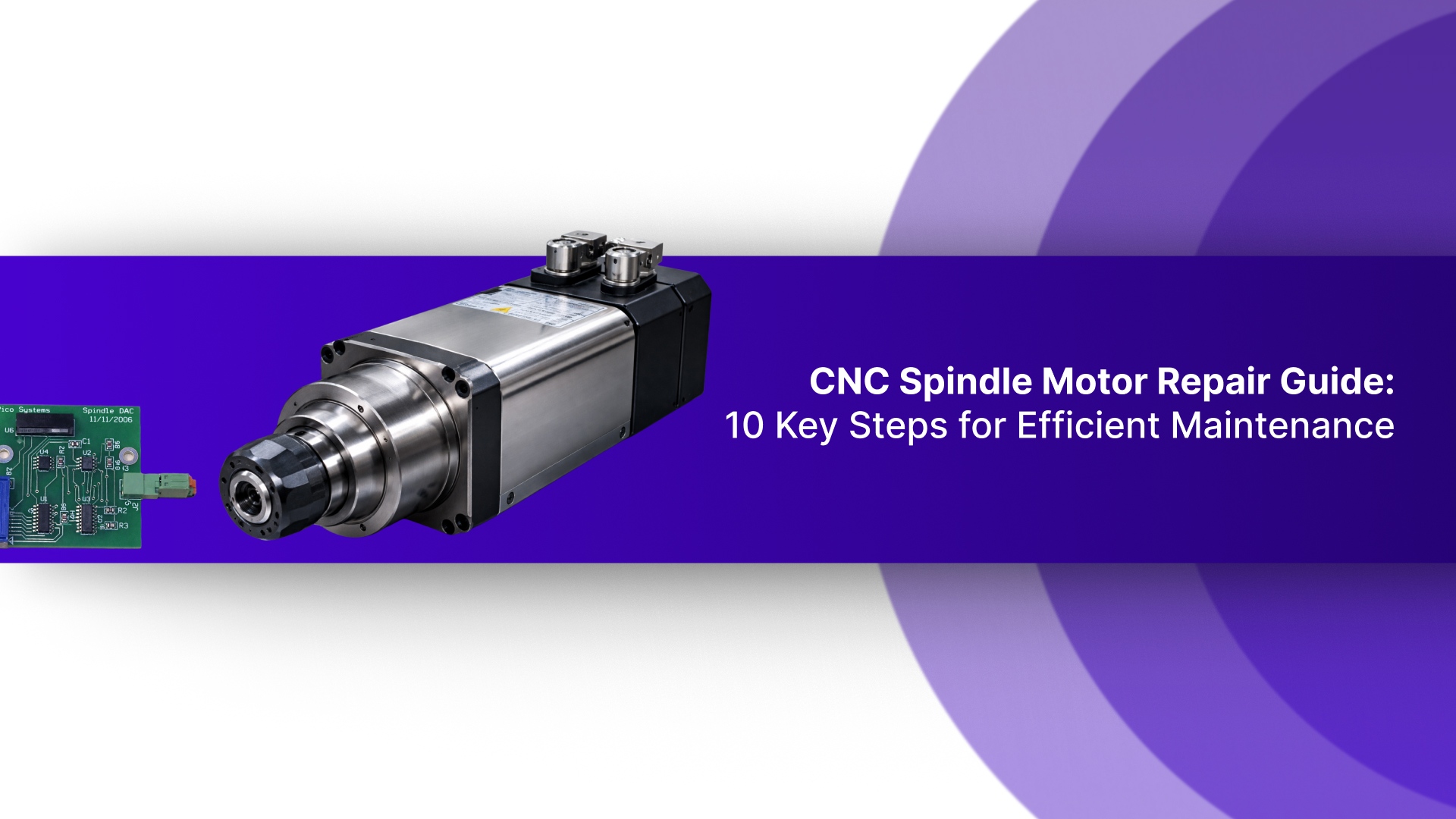
For CNC spindle motor repair, Pico Systems offers the Spindle DAC. This controller delivers precise spindle speed regulation, smooth operation, and seamless integration with both stepper and servo systems for accurate position tracking.
It also supports encoder feedback, E-stop functionality, and extra digital inputs for switches and relays, making it ideal for testing, calibration, and fine-tuning spindle motors after repair.
Looking to ensure reliable spindle performance? Explore Pico Systems’ complete product line here.
10 Essential Steps to Repair a CNC Spindle Motor
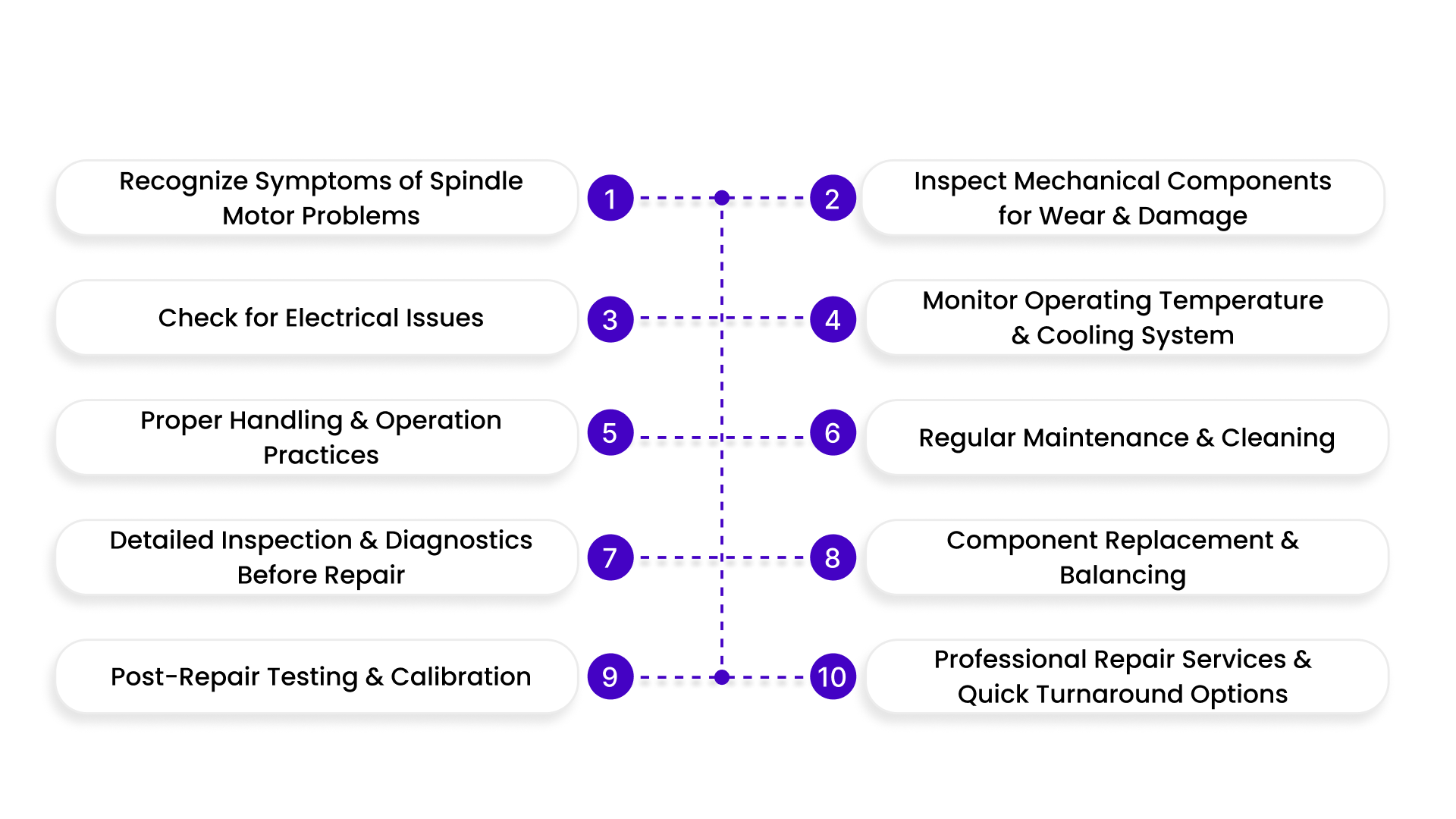
When a CNC spindle motor starts showing signs of wear or electrical faults, knowing the repair process helps you minimize downtime and maintain machining precision. Understanding each stage from diagnostics to post-repair testing ensures that the motor is restored efficiently and reliably.
Below is a detailed step-by-step guide covering the key actions taken during professional CNC spindle repair.
Step 1: Recognize Symptoms of Spindle Motor Problems
A spindle motor rarely fails without warning. Unusual noises, vibration, inconsistent spindle speed, overheating, or frequent circuit trips are the earliest signs that something is off. These symptoms often arise from worn bearings, rotor or stator damage, encoder faults, or cooling system inefficiencies.
Solution: Use diagnostic tools like multimeters, vibration analyzers, thermal cameras, and insulation testers to pinpoint the source of the problem. Replace worn bearings, rewind damaged coils, or address encoder faults as required.
Impact: Early intervention prevents catastrophic motor failure, reduces repair costs, and keeps production running smoothly without extended downtime.
Step 2: Inspect Mechanical Components for Wear and Damage
Mechanical wear develops gradually, but it can severely affect spindle performance. Bearings, rotors, and couplings experience stress over time, and signs like excessive vibration, rotor wobbling, or misalignment indicate underlying wear.
Solution: Examine all mechanical parts for metal shavings, discoloration, or friction. Ensure that the rotor spins freely and tighten any loose couplings. Replace worn bearings or couplings and realign the rotor to restore proper function.
Impact: Correcting these mechanical issues stabilizes spindle rotation, maintains machining precision, and prevents further damage to other components.
Step 3: Check for Electrical Issues
Electrical faults in the spindle motor can occur suddenly, affecting both performance and safety. Symptoms such as tripped breakers, low torque, or erratic spindle speeds often indicate damaged windings, compromised insulation, or loose power connections.
Solution: Inspect windings, insulation, and power connections using multimeters, insulation testers, or clamp meters. Repair damaged coils, replace faulty insulation, or fix loose connections to restore consistent electrical performance.
Impact: Addressing electrical problems protects the CNC system, ensures smooth spindle operation, and reduces the risk of unexpected shutdowns or further component damage.
Step 4: Monitor Operating Temperature and Cooling System
Excessive heat is one of the most common causes of spindle motor failure. Overheating, thermal shutdowns, or coolant leaks typically indicate cooling system inefficiency.
Solution: For both air-cooled and water-cooled systems, inspect fans, vents, filters, and coolant flow. Use thermal cameras and flow meters to track temperature and detect cooling issues. Clean or replace components as needed to maintain optimal temperature.
Impact: Proper cooling prevents motor burnout, maintains consistent spindle speed, and extends the overall lifespan of the motor.
Step 5: Proper Handling and Operation Practices
Even a fully functional motor can fail prematurely if handled incorrectly. Sudden load changes, rapid speed adjustments, or incorrect lubrication increase stress on the spindle.
Solution: Train operators to follow correct startup and shutdown procedures. Maintain proper alignment, lubrication, and avoid abrupt load shifts during operation.
Impact: Proper handling minimizes wear and tear, prevents unexpected failures, and ensures consistent machining accuracy over time.
Step 6: Regular Maintenance and Cleaning
Dust, debris, and lack of lubrication can quietly degrade spindle performance, reducing efficiency and causing overheating.
Solution: Regularly clean cooling vents and motor housing, lubricate bearings and moving parts according to manufacturer recommendations, and keep a detailed maintenance log to track preventive actions.
Impact: Routine maintenance enhances spindle reliability, reduces breakdowns, and prolongs the operational life of the motor.
Step 7: Detailed Inspection and Diagnostics Before Repair
Ineffective repairs often result from skipping detailed diagnostics. Without a clear understanding of the problem, minor fixes may fail to address the root cause.
Solution: Conduct vibration, thermal, and electrical tests, and compare results with baseline specifications. Prioritize repairs based on severity to tackle the most critical issues first.
Impact: Accurate diagnostics ensure efficient repairs, prevent unnecessary component replacements, and minimize downtime.
Step 8: Component Replacement and Balancing
Even after identifying worn components, improper replacement can lead to vibration and alignment issues.
Solution: Replace damaged bearings, rotors, or stators with high-quality parts. Balance the rotor using a precision balancing machine and torque all fasteners to manufacturer specifications.
Impact: Proper replacement and balancing restore smooth motor rotation, reduce vibration, maintain machining accuracy, and extend motor lifespan.
Step 9: Post-Repair Testing and Calibration
Repairs are not complete without thorough testing. Inconsistent RPM, torque, or vibration can compromise production quality.
Solution: Run test cycles to verify spindle RPM, torque, and vibration. Calibrate the spindle alignment and encoder to ensure precision machining. Monitor operation for several cycles before full production.
Impact: Post-repair testing guarantees consistent performance, prevents additional failures, and maintains high machining accuracy.
Step 10: Professional Repair Services and Quick Turnaround Options
Some spindle motor issues require specialized expertise for effective repair. Attempting complex repairs without experience may worsen the problem.
Solution: Engage OEM services or trusted industrial repair shops with experienced technicians and warranty-backed solutions. Evaluate repair versus replacement costs for older motors to ensure cost efficiency.
Impact: Professional repairs minimize downtime, ensure reliable motor operation, and provide long-term protection for your CNC system.
Once you have assessed the condition of your spindle motor and completed initial diagnostics, the next step is deciding whether to repair the existing motor or replace it entirely.
CNC Spindle Motor Replacement vs Repair: Which Option Is Right for Your Machine?
When a CNC spindle motor experiences damage or wear, choosing between repair and replacement is a critical decision. The right choice affects production efficiency, costs, and long-term reliability. To help you make an informed decision, the table below compares the key factors of spindle motor repair and replacement.
Factor | Spindle Motor Repair | Spindle Motor Replacement |
Cost | Lower upfront cost; ideal for minor faults or localized damage. | Higher initial investment; more suitable for severe damage or older motors. |
Downtime | Usually faster; the machine can return to production quickly. | Longer downtime due to removal, installation, and calibration. |
Scope of Work | Repairs include bearing replacement, coil rewinding, encoder fixes, and minor mechanical or electrical adjustments. | Complete replacement of the rotor, stator, or the entire motor with new components. |
Reliability | Restores original performance, but repeated repairs on older motors may reduce long-term reliability. | Provides consistent, long-term reliability and reduces maintenance frequency. |
Warranty | Often limited to repair work; it depends on the service provider. | Typically comes with a manufacturer's warranty for new components. |
Best Use Case | Newer motors or minor damage; cost-effective short-term solution. | Severely damaged, aged, or frequently failing motors; ensures long-term performance. |
Impact on Production | Quick return to operation; minimal disruption. | Ensures stable performance over the long term but requires planning for installation downtime. |
By weighing these factors against the condition of your motor and operational needs, you can choose the solution that ensures your CNC machine continues to perform efficiently and precisely.
Why Should You Choose Professional CNC Spindle Motor Repair Services?
Professional repair services are important for CNC spindle motors because they restore performance, ensure reliability, and reduce downtime.
Here are the key benefits of using professional repair services:
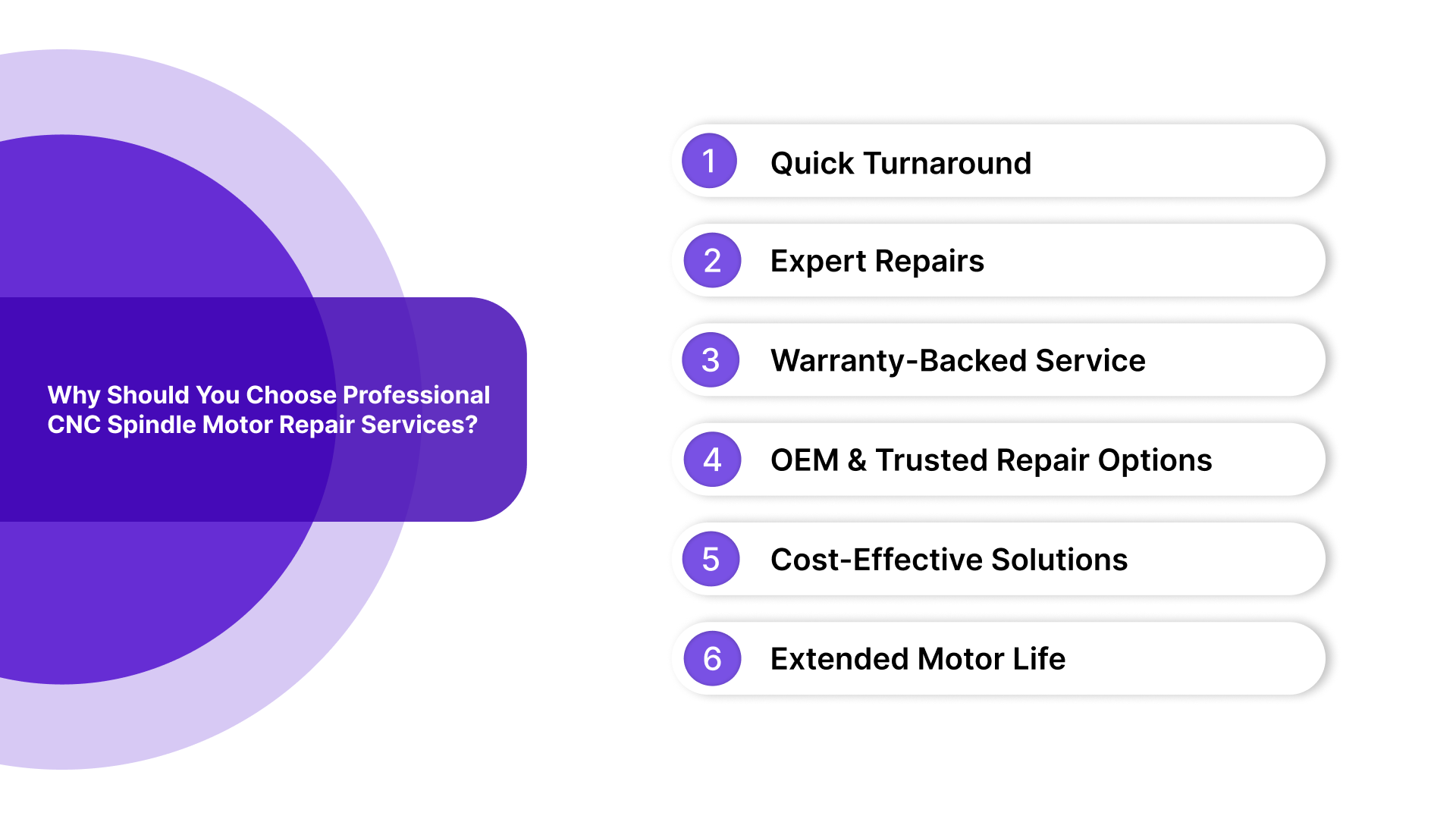
Quick Turnaround: Experienced technicians use specialized tools and procedures to diagnose and repair spindle motors efficiently, minimizing production interruptions.
Expert Repairs: Professional services can handle complex issues like rotor balancing, coil rewinding, bearing replacement, and cooling system restoration with precision.
Warranty-Backed Service: Many providers offer warranty-backed repairs, giving you confidence that your spindle motor will operate safely and reliably after servicing.
OEM and Trusted Repair Options: You can choose OEM services for high-precision or critical motors, or trusted industrial repair shops for cost-effective and faster solutions.
Cost-Effective Solutions: Comparing repair versus replacement costs helps you choose the most practical and economical option, especially for older motors.
Extended Motor Life: Professional repairs preserve machining accuracy, reduce wear and tear, and extend the operational life of your spindle motor.
Using professional repair services ensures that your CNC spindle motor continues to operate at peak performance, maintaining precision, reliability, and production efficiency.
How Pico Systems Can Help with CNC Spindle Motor Repair?

Pico Systems delivers expert CNC spindle motor repair solutions and high-precision components designed to keep your machines operating at peak performance and reliability.
Their offerings cater to professionals and manufacturers who need specialized hardware and repair services for spindle motors, ensuring smooth operation and long-term durability.
Extensive Precision Components: From PWM Servo Systems to Analog Servo Interfaces, Pico Systems provides components that enhance spindle motor accuracy and motion control.
Specialized Accessories: Key accessories such as the 8-Channel Resolver Converter, Copley Interface, and Gecko interface board enable seamless integration, handling encoder feedback, E-stop logic, and fault management in one compact package for improved CNC performance.
Reliable Stepper Controllers: Pico Systems’ stepper controllers provide consistent motion control, supporting both high-power and low-power spindle motor applications.
Durable, High-Quality Products: Every product, including PWM Servo Systems and Analog Servo Interfaces, is built to withstand demanding industrial environments, ensuring long-lasting operation.
By choosing Pico Systems for CNC spindle motor repair, you equip your CNC machine with precision-engineered components and advanced interfaces that maximize efficiency, accuracy, and operational reliability.
Wrapping Up
Keeping your CNC spindle motor in top condition is important for smooth, precise, and reliable machine operation. Regular checks, maintenance, and timely repairs can help avoid downtime and keep your production running efficiently.
With Pico Systems offering trusted, high-quality solutions for CNC spindle motor repair, you can get your machine back to peak performance quickly and reliably.
Ready to enhance your CNC operations with the best repair solutions? Contact us today and let us help you find the perfect CNC spindle motor repair solution for your needs!
FAQs
1. Can spindle motor repair improve my CNC machine’s performance?
Yes, repairing a spindle motor restores its precision, speed, and stability. A well-functioning spindle reduces vibration, ensures accurate cuts, and boosts overall machine productivity.
2. What are the main causes of spindle motor failure?
Common causes include bearing wear, overheating, electrical shorts, poor lubrication, and misalignment. Regular inspection and preventive maintenance help avoid most failures.
3. Is it possible to repair a spindle motor instead of replacing it?
Yes, many spindle motors can be repaired by replacing worn bearings, rewinding damaged coils, or fixing cooling issues. Replacement is only needed for severe rotor or stator damage.
4. How often should spindle motors be maintained?
Spindle motors should be inspected every 500–1000 operating hours. Key checks include bearings, rotor alignment, insulation, and cooling system efficiency.
5. Can overheating be prevented during spindle motor operation?
Yes, keeping the cooling system clean, monitoring temperature, and avoiding excessive loads prevent overheating and extend the motor’s life.
6. Is professional servicing necessary for spindle motor repair?
While minor repairs can be done DIY, professional servicing ensures precise alignment, proper rewinding, and reliable calibration for optimal CNC performance.